
Everything You've Been Told About Microcement is Wrong


The Biggest Lie: Microcement is a Cheaper Alternative to Tile.
This is where the misunderstanding begins.
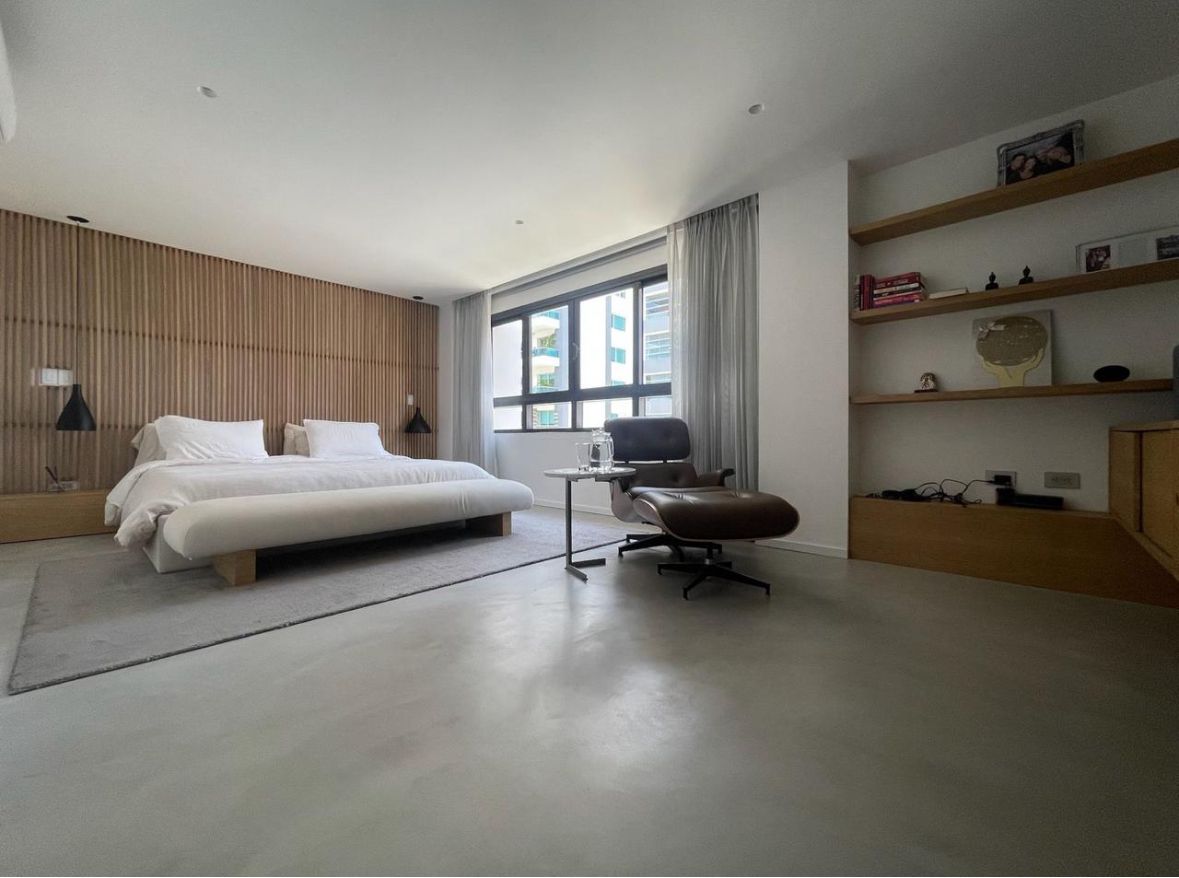
Microcement is often marketed to the mass market as a cost-saving solution, something you use instead of high-end tile or stone. What's the challenge with tile? Tile is modular. It is repetitive. It is segmented by grout lines. Microcement, on the other hand, is continuous. It is uninterrupted. It is architectural. The difference is not cost. The difference is philosophy.
When you choose microcement, you remove visual noise from a space. You are choosing to let light travel uninterrupted across surfaces. You are choosing restraint.
And restraint, when executed properly, is one of the costliest design disciplines in the world.
But isn't Microcement Just a Trend?
Trends are loud.
They Spike. They saturate social media. They fade.
Microcement, when properly specified and executed, is not a trend - it is a surface philosophy rooted in European architectural minimalism. When influencers push it as a quick renovation hack, its value erodes. When contractors sell it as "faster and cheaper," its prestige diminishes.
Luxury is not fast.
Luxury is controlled execution.
True microcement systems - particularly bi-component, flexible systems engineered for humidity and movement - are technical. They require substrate preparation, mesh reinforcement, controlled curing, and precise sealing protocols.
This is not a trend.
That is craftsmanship.
Seamless is Harder - And That's the Point
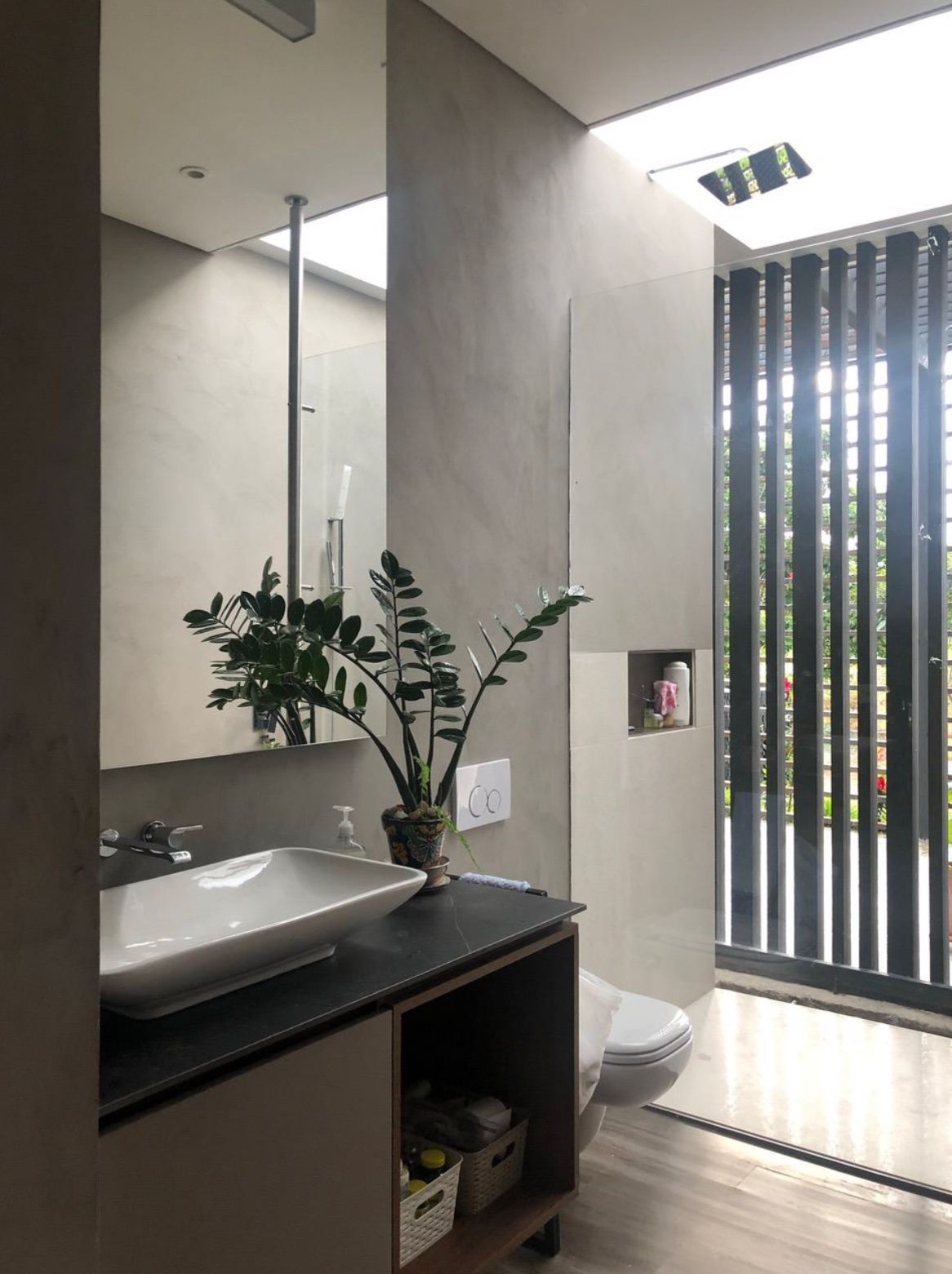
Tile hides imperfections in grout lines. Microcement exposes everything. When you remove joints, you remove forgiveness. There is nowhere to hide poor substrate work. No lines to mask inconsistencies. No pattern to distract the eye. This is why true high-end microcement costs more in skilled labor.
You are paying for discipline.
You are paying for:
- Structural preparation
- Crack isolation strategy
- Controlled thickness application
- Layer precision
- Climate-adapted sealing systems
In Puerto Rico and the Caribbean, where salinity, humidity, and solar radiation challenge every surface, seamless execution requires even greater expertise. Luxury is not the material alone. It is mastery over the environment.
The Psychological Shift: From Decoration to Architecture
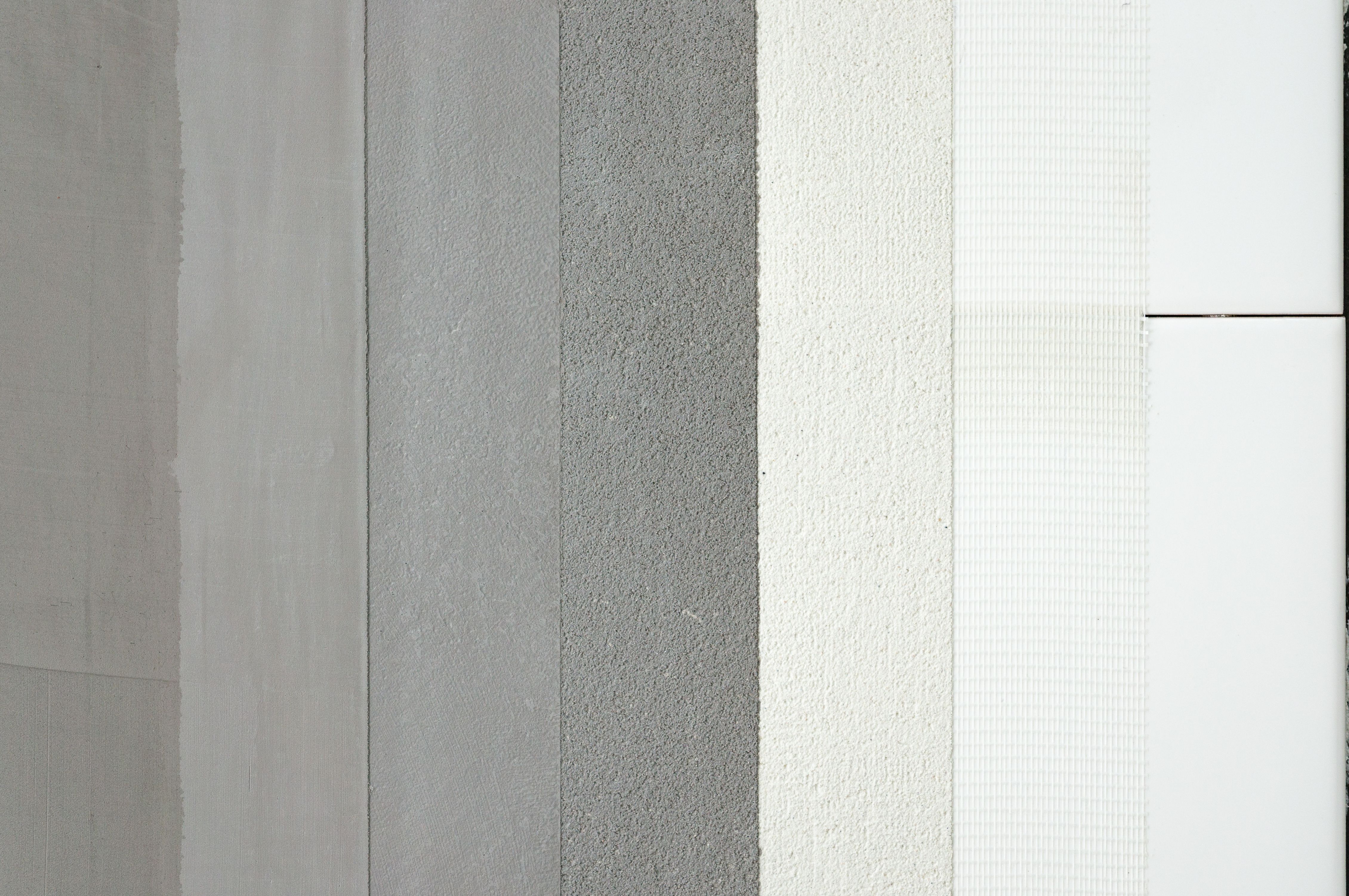
Here is the real difference: Tile is decorative, where microcement is architectural. Decoration sits atop a structure where architecture becomes part of it. When microcement wraps floors, walls, showers, staircases, and even ceilings in one uninterrupted envelope, it transforms the experience of space.
- It creates perceived expansiveness.
- It enhances natural light.
- It softens transitions.
- It makes rooms feel intentional.
In high-end villas and boutique hospitality spaces, this continuity is not about minimalism for aesthetic reasons alone.
It's about emotion.
When there are no breaks in the surface, the mind relaxes.
And luxury, at its highest level, is about how a space makes you feel - not how loudly it announces itself.
Final Thought
Microcement is not about how much cheaper it is than tile. It is about "What does this say about the architecture of my space?
- Does it whisper confidence?
- Does it create calm?
- Does it feel curated?
- Does it age well?
Microcement is not a substitute.
It is a statement of restraint.
And restraint, when done correctly, signals something subtle but powerful.
You did not design for attention.
You designed for permanence.