
Lime Plaster: The Unique Alternative to Concrete and Paint


In the world of construction and interior design, lime plaster is making waves as a unique and sustainable alternative to traditional materials like concrete and paint. This ancient material, once overshadowed by modern technologies, is experiencing a revival thanks to its eco-friendly properties and distinctive aesthetic appeal.

What is Lime Plaster?
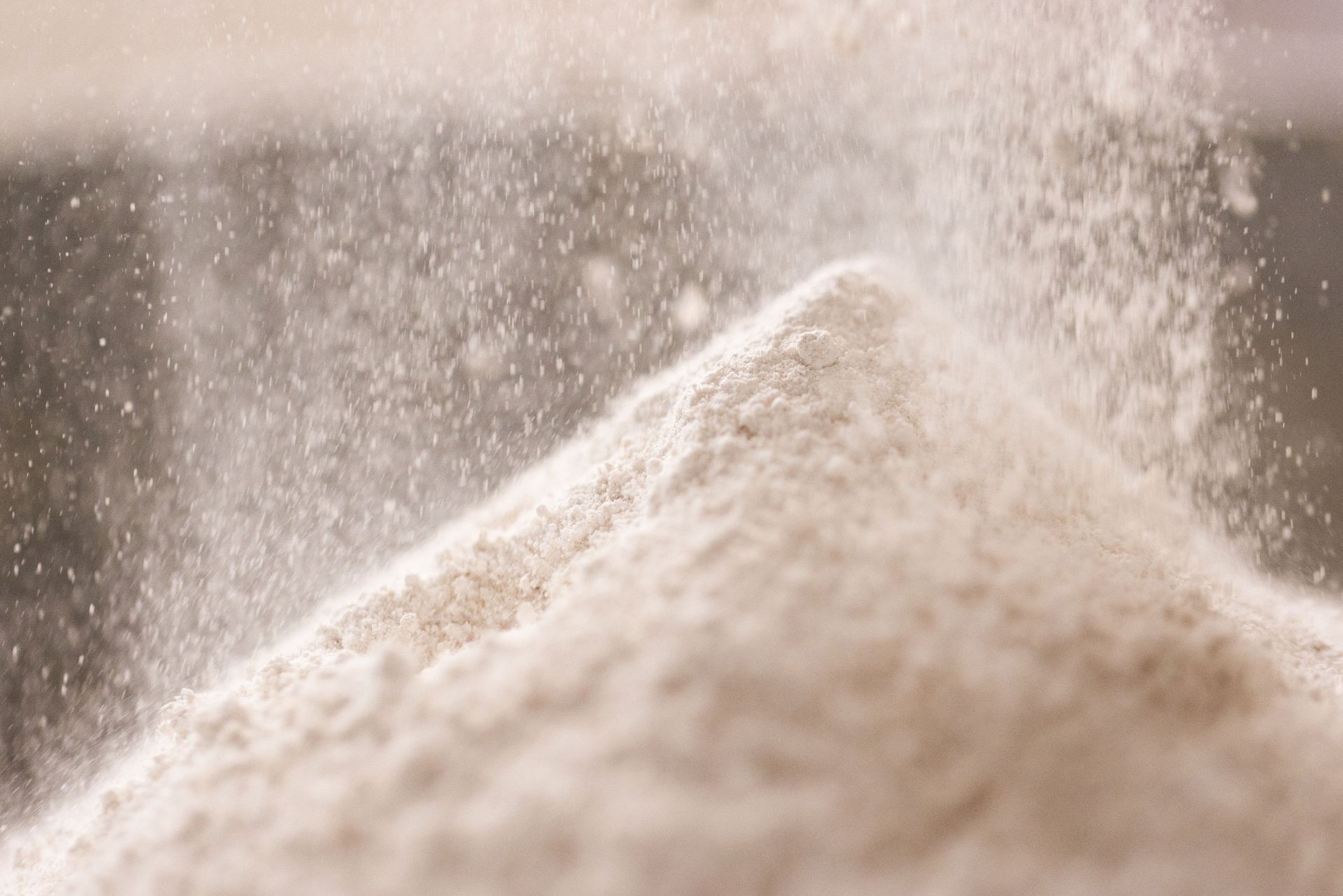
Lime plaster is a building material made by mixing sand, water, and lime. Unlike cement-based plasters, lime plaster is breathable, allowing moisture to evaporate and reducing the risk of dampness and mold. Its composition makes it a more flexible and crack-resistant option, providing longevity and durability.
This material has been used for centuries, evident in historical structures across Europe and the Middle East. Its resilience and natural beauty have stood the test of time, now offering a timeless charm to modern settings.
The Environmental Benefits
Lime plaster is celebrated for its environmental benefits. Unlike concrete, which has a high carbon footprint due to its energy-intensive production, lime plaster absorbs carbon dioxide during its curing process. This carbon sequestration helps reduce greenhouse gases, making it a greener choice.
- Recyclable: Lime plaster can be recycled and reused, minimizing waste.
- Non-toxic: It doesn’t emit harmful VOCs, contributing to a healthier indoor environment.
- Energy-efficient: Its thermal mass properties help regulate indoor temperatures, reducing energy consumption.
Aesthetic Versatility
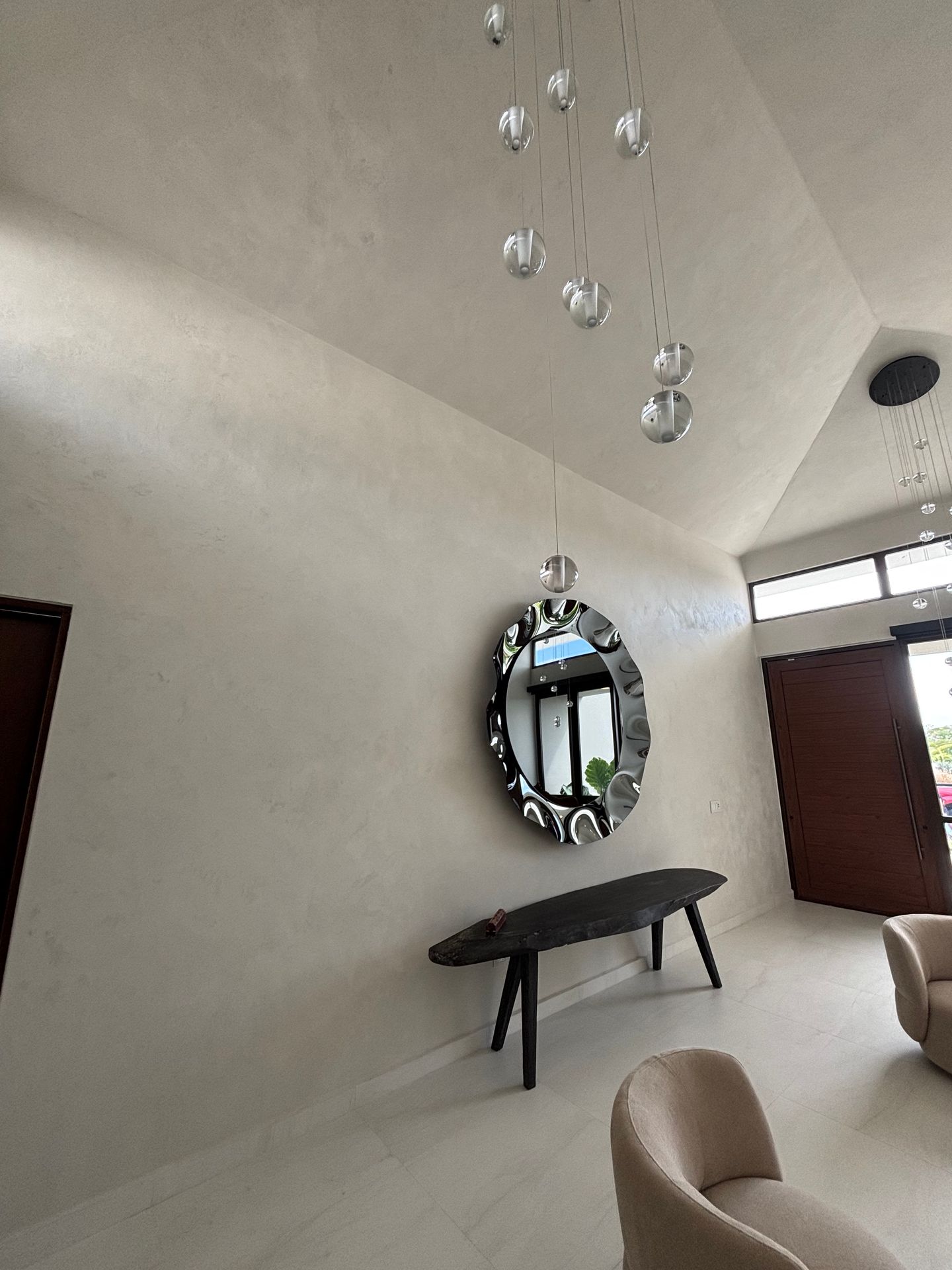
One of the most enticing features of lime plaster is its aesthetic versatility. It provides a soft, matte finish that can be customized with natural pigments, offering a wide range of color options. This makes it suitable for various design styles, from rustic to contemporary.
Lime plaster can also be textured in multiple ways, allowing for creative expression through patterns and finishes that add depth and character to any space. Whether you desire a smooth, polished look or a rugged, textured appearance, lime plaster can deliver.
Practical Applications
Lime plaster is not just for walls; it has numerous applications. It can be used for ceilings, fireplaces, and even exterior facades. Its moisture-regulating properties make it ideal for kitchens and bathrooms, where humidity levels often fluctuate.
- Interior Walls: Enhances indoor air quality and adds a unique visual appeal.
- Exterior Finishes: Provides a breathable barrier that protects against weather elements.
- Restoration Projects: Perfect for maintaining the integrity of historic buildings.
Conclusion
Lime plaster offers a sustainable, aesthetically pleasing, and versatile alternative to traditional building materials like concrete and paint. Its environmental benefits, combined with its timeless beauty, make it an excellent choice for those looking to enhance their spaces while also being mindful of their ecological footprint. As more people seek out sustainable building practices, lime plaster is sure to continue its resurgence, proving that some old methods are worth revisiting.