
The Benefits of Lime Plaster and Bi-Component Microcement for Puerto Rico's Infrastructure


Introduction to Sustainable Building Materials
In the pursuit of sustainable development, the construction industry in Puerto Rico is increasingly turning to eco-friendly materials. Two such materials gaining traction are lime plaster and bi-component microcement. These materials not only enhance the aesthetic appeal of structures but also provide numerous functional benefits.
Lime plaster, with its natural composition, and bi-component microcement, known for its versatility, are becoming integral to modern infrastructural projects. This post explores the benefits of these materials and their impact on Puerto Rican infrastructure.

Advantages of Lime Plaster
Eco-Friendly and Sustainable
Lime plaster is celebrated for its sustainability. Made from natural limestone, it has a lower environmental impact compared to traditional cement. Its production process consumes less energy, making it a greener choice for construction.
Durability and Breathability
One of the key benefits of lime plaster is its durability. It is highly resistant to weathering, which is crucial given Puerto Rico's tropical climate. Additionally, lime plaster is breathable, allowing moisture to escape from walls, thus reducing the risk of mold and dampness. An excellent choice for ceilings, walls, bathrooms, wet areas, both indoor and outdoor.

Benefits of Bi-Component Microcement
Flexibility
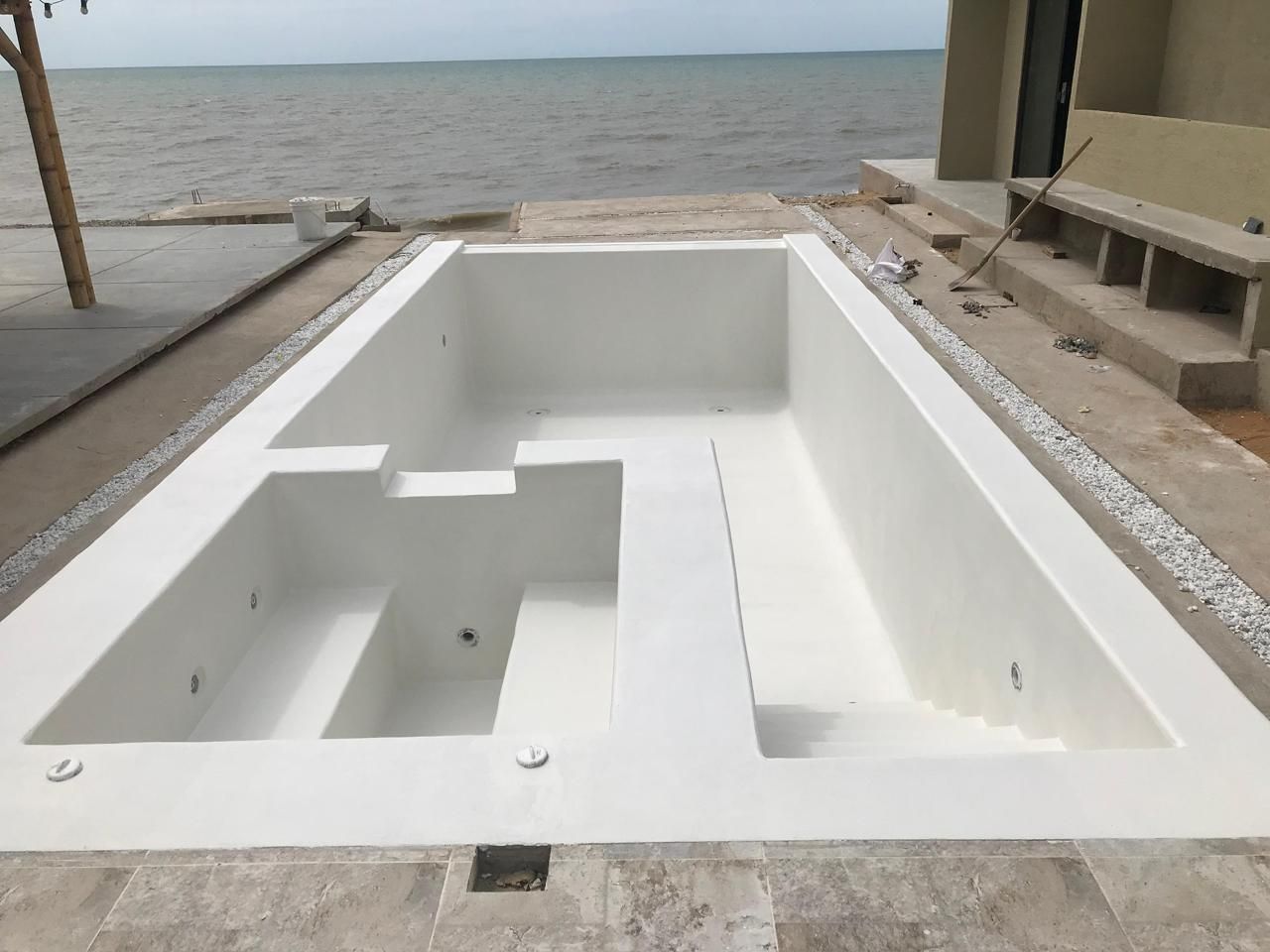
In Puerto Rico's tropical climate - where humidity, salitre (salt air), intense UV exposure, and constant thermal movement challenge every structure-a bi-component microcement system blended with flexible resin becomes more than a finish; it becomes protective infrastructure. The flexible resin enhances adhesion, elasticity, and crack-bridging capacity, allowing the surface to move with the building rather than fracture under expansion, contraction, or minor substrate shifts.
This is critical in coastal and seismic environments like Puerto Rico, where rigid cementitious systems often fail prematurely. When properly installed, the system forms a continuous, joint-free barrier that resists moisture penetration, salt corrosion, and surface deterioration-while reducing the need for demolition and heavy maintenance.
For Puerto Rico, this isn't just about beauty-it's about resilience, longevity, and intelligent building in a demanding climate.
Versatility in Design
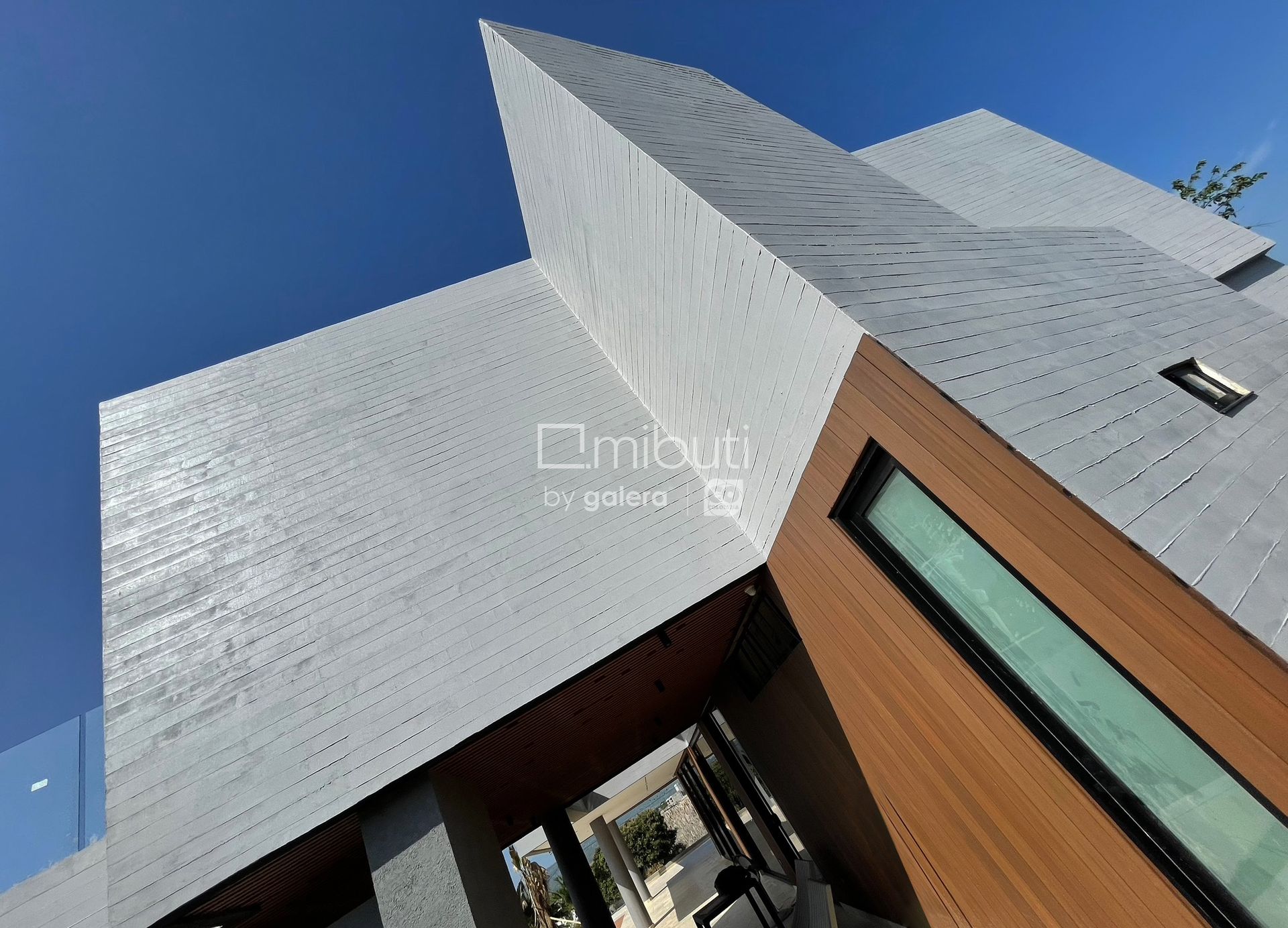
Bi-component microcement offers remarkable versatility. It can be applied to a variety of surfaces, including walls, floors, parking spaces, ceilings, pools, spas, countertops, and furniture, providing a seamless finish. This flexibility allows for creative architectural designs, enhancing the aesthetic value of buildings.
Strength and Durability
Microcement is known for its strength. Despite its thin 1-3mm application layer, it is highly durable and resistant to scratches and impacts. This makes it ideal for high-traffic areas and public infrastructure, ensuring longevity and reduced maintenance costs.
Impact on Puerto Rican Infrastructure
Climate Resilience
The tropical climate of Puerto Rico demands materials that can withstand humidity and heavy rainfall. Both lime plaster and microcement are excellent choices due to their water-resistant properties. They contribute to the resilience of buildings, protecting them from environmental damage.

Economic and Environmental Benefits
Utilizing these materials can lead to economic advantages. Their durability reduces the need for frequent repairs, saving costs in the long run. Environmentally, they help lower carbon footprints, supporting Puerto Rico's commitment to sustainable development.
Conclusion
Incorporating lime plaster and bi-component microcement into Puerto Rican infrastructure is a step towards sustainable and resilient construction. These materials not only meet the functional requirements of modern buildings but also align with environmental goals. By choosing these innovative solutions, Puerto Rico can pave the way for a greener and more durable future.